Connecting Culture, Community, and the Natural World to Support Youth Wellbeing
Health and wellbeing look different for everyone. Our experiences, relationships, communities, and cultures all shape what we need to feel healthy, connected, and supported.
At Thriving Together NCW, we believe that supporting wellbeing also means listening to the people who know their communities best and understanding that there isn't a one-size-fits-all approach.
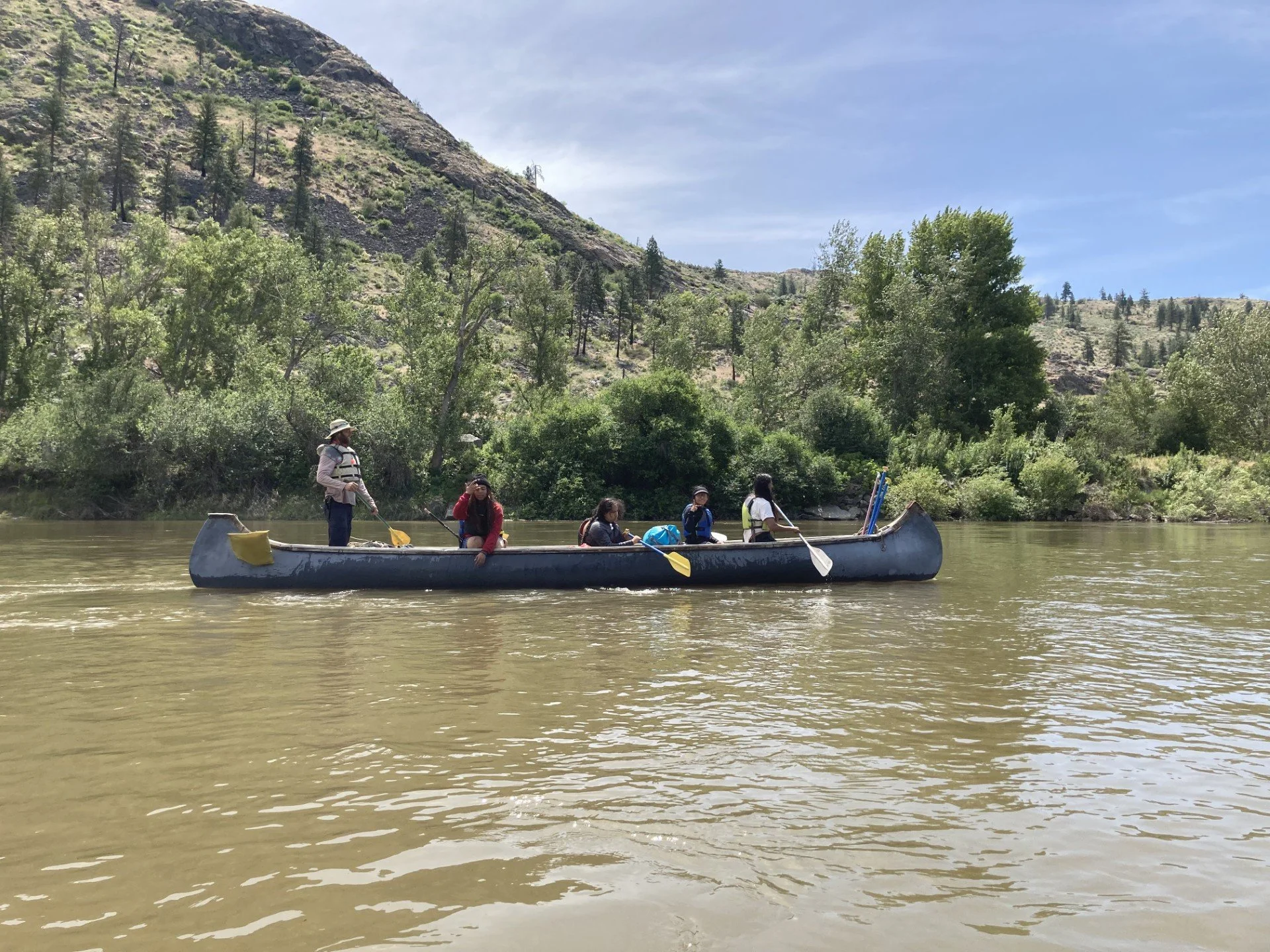
This year for Native American Heritage Month, we're shining a spotlight on our partners at The Nature Immersion Program, whose work with Indigenous youth in Okanogan County and on the Colville Reservation shows just how powerful the connections between culture, community, and the natural world can be.
Building Connections Through Nature and Culture
The Nature Immersion Program first took root in 2012, when Sarah Fox, a longtime educator and professional wilderness survival guide, piloted a program in Salinas, California, to support at-risk youth experiencing the complex intersections of trauma, behavioral issues, and poor academic performance. Each week, Sarah took students out of the classroom and into a local park, where they participated in activities combining equine therapy, mindfulness, self-awareness, and wilderness skills.
After just one year, the results were promising. Students showed measurable improvements in academic performance and behavior, but the benefits didn't stop there. Sarah also began seeing unexpected growth in areas like leadership, confidence, and overall wellbeing. These early successes helped lay the foundation for what would eventually become The Nature Immersion Program as we know it today.
“After doing that a second year, expanding that group and getting even better results, I really felt that there was something to this program and that it would be best served if I exited my role as a full-time classroom teacher and I pursued this full-time.” -Sarah Fox, Executive Director and Founder, The Nature Immersion Program
After relocating to the Methow Valley in 2018, Sarah brought the program to North Central Washington, eventually working with students at Paschal Sherman Indian School in her role as Intervention Specialist
It was through this work, and her partnership with co-founder Morgan Moomaw, a descendant of the Okanogan and Lower Similkameen Bands with extensive knowledge of cultural plants and traditional practices, that the program evolved into the culturally responsive, place-based model it is today.
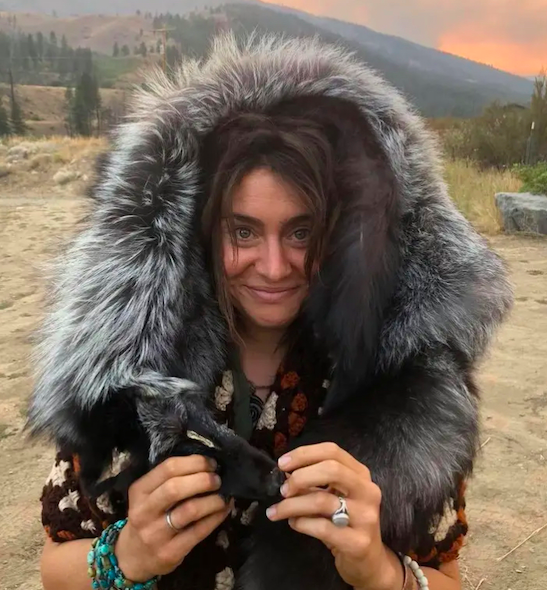
Sarah Fox, Executive Director and Founder, The Nature Immersion Program
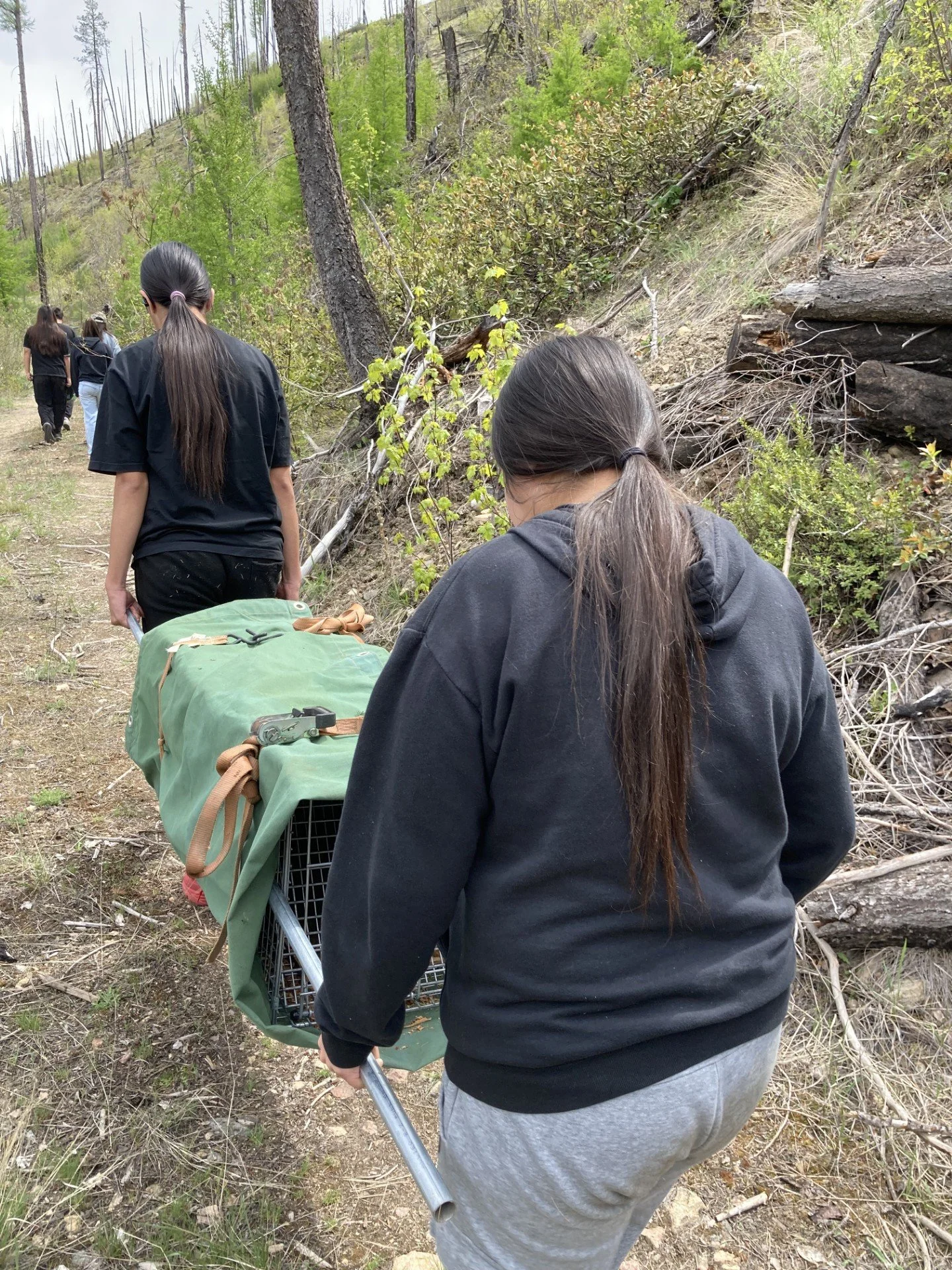
Now serving more than 300 youth annually across nine schools in Okanogan County and the Colville Reservation, The Nature Immersion Program helps young people strengthen their connections to themselves, their communities, their cultures, and the land.
Supporting Wellbeing Through Culture and Tradition
In 2025, The Nature Immersion Program received a $40,000 Vital Conditions Grant from Thriving Together NCW to support a project that had been part of the organization's vision for years: creating a culturally grounded social-emotional learning curriculum that could reach even more students.
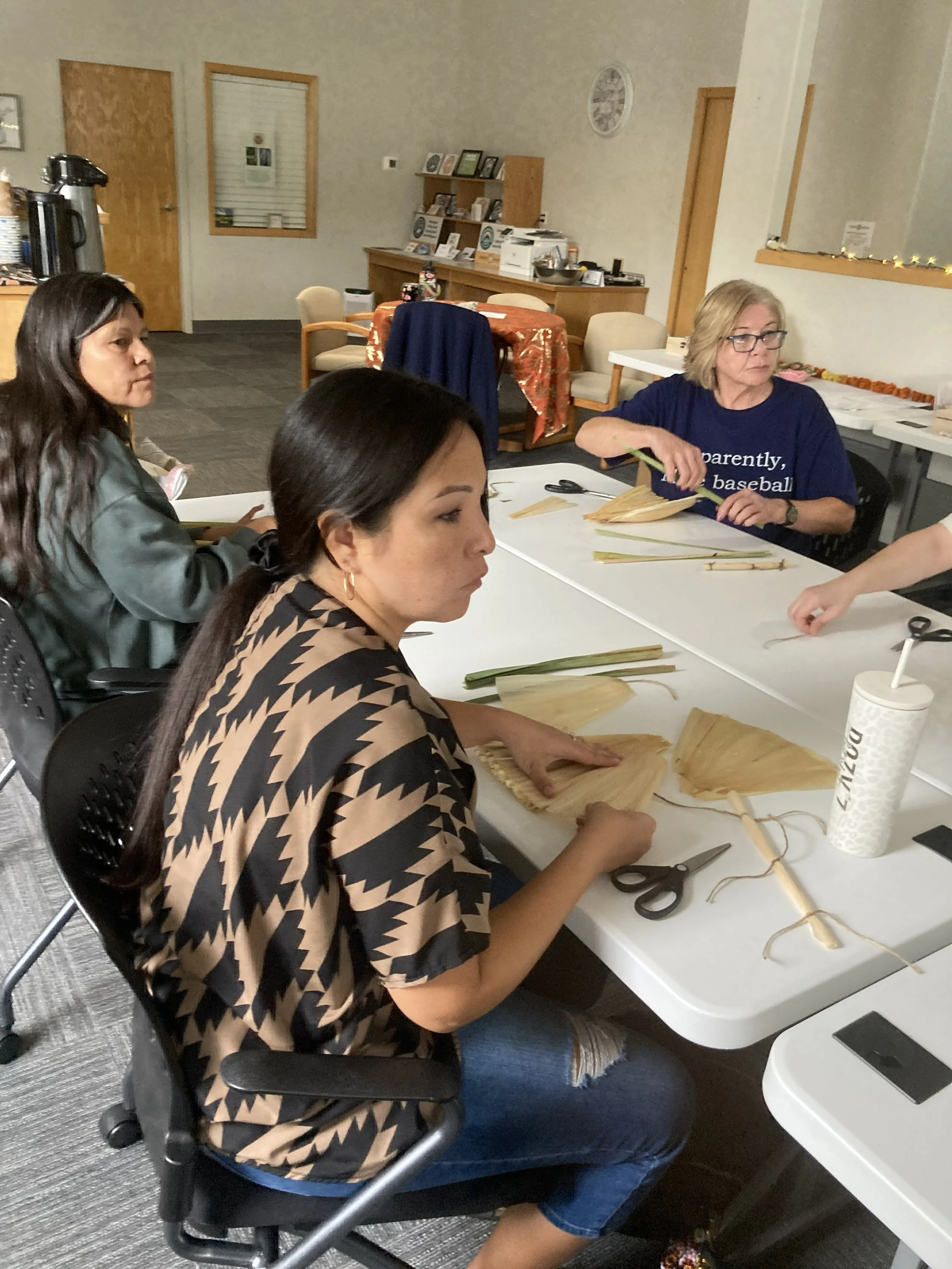
The curriculum, called Cyaʕmílx, meaning "to be together" or "all gather for an important purpose," utilizes the framework of the captikʷł, The Four Food Chiefs. captikʷł are the sacred oral stories that illustrate natural laws, teachings, values, and governance structures by the Okanogan people. Applying the Four Food Chiefs as a culturally congruent framework that promotes holistic wellbeing, altruism, and environmental ethics has allowed the curriculum team to apply story work as the catalyst for this 18 lesson unit. It brings together Tribal Elders, cultural knowledge keepers, and educators to create lessons that weave cultural knowledge and social-emotional learning together.
For many Indigenous youth, the lasting impacts of colonization, historical trauma, poverty, and discrimination continue to create challenges for mental health and wellbeing. By grounding social-emotional learning in cultural traditions and teachings, the program aims to address these challenges early on, helping young people build a stronger sense of identity, belonging, and connection to their community and the land. It's an approach that recognizes the importance of culture in supporting wellbeing, not just for individuals, but for generations to come.
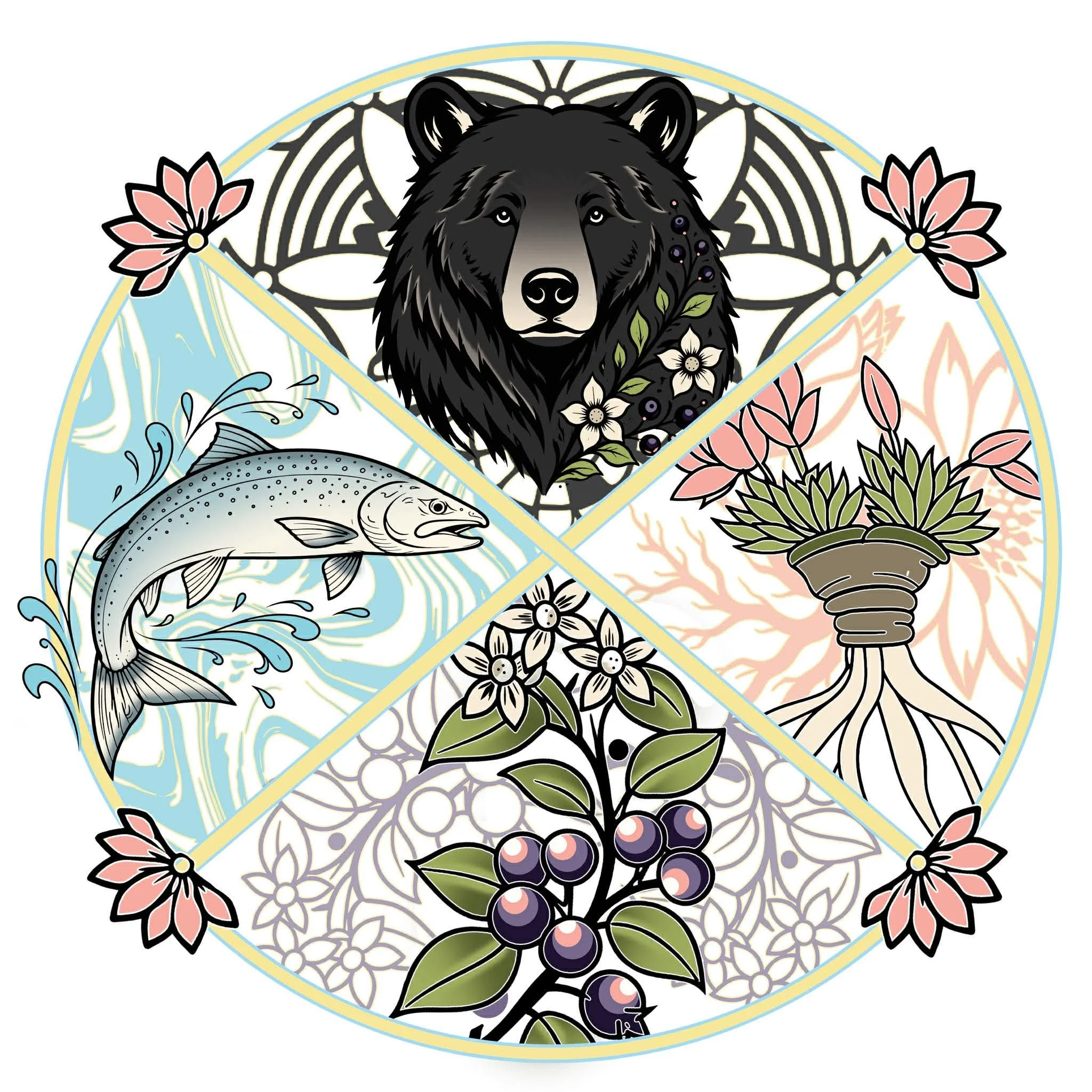
Four Chiefs curriculum logo designed by Kamea Pino.
While The Nature Immersion Program has a small, internal team, the heart of its work is the community behind it. The organization actively partners with Cultural Knowledge Keepers, Elders, and a broad cross sections of community partners with the Colville Tribe and non-tribal partners. These partnerships not only ensure the work reflects the knowledge and needs of the communities it serves but also helps direct funding and resources back into those communities.
Celebrating Culture and Community
As we recognize Native American Heritage Month, we're grateful for partners like The Nature Immersion Program and the many Elders, educators, and community members who are helping young people build connections to their culture, community, and the land. Their work is an example of how honoring cultural knowledge and traditions can help create stronger, healthier communities for generations to come.
Want to learn more?
Click the images below to learn more about The Nature Immersion Program and another one of our local Tribal partners, Indigenous Roots and Reparation Foundation. You can also explore the history and significance of Native American Heritage Month and find ways to learn more.