
Partner Spotlight: Action Health Partners & Advance
A Simple Door into a Complex System
Sometimes the hardest part is not deciding to ask for help, it’s figuring out where to start. That help might be for substance use treatment or mental health support. It might be for care coordination after a hospital stay, help navigating complex medical needs, or support finding stable services during a difficult season of life.
For too long, reaching out has meant multiple phone calls, long waits, and eligibility requirements you might not quite meet. The North Central Community Care Hub (CCH) was designed to change that experience. Instead of asking people to navigate a complicated system on their own, the Hub offers a simple starting point. After completing a client intake form, individuals are connected to a Community-Based Care Coordinator, someone who walks alongside them to determine next steps. Instead of shuffling through programs and services, they are met with coordination and continuity.
Our dedicated Community-Based Care Coordinators can connect individuals to the following services and more.
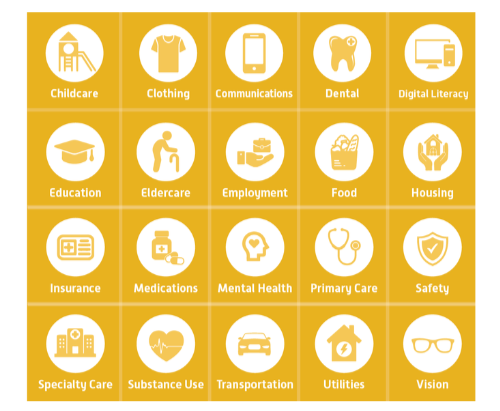
A Unified Approach to Community Care Coordination
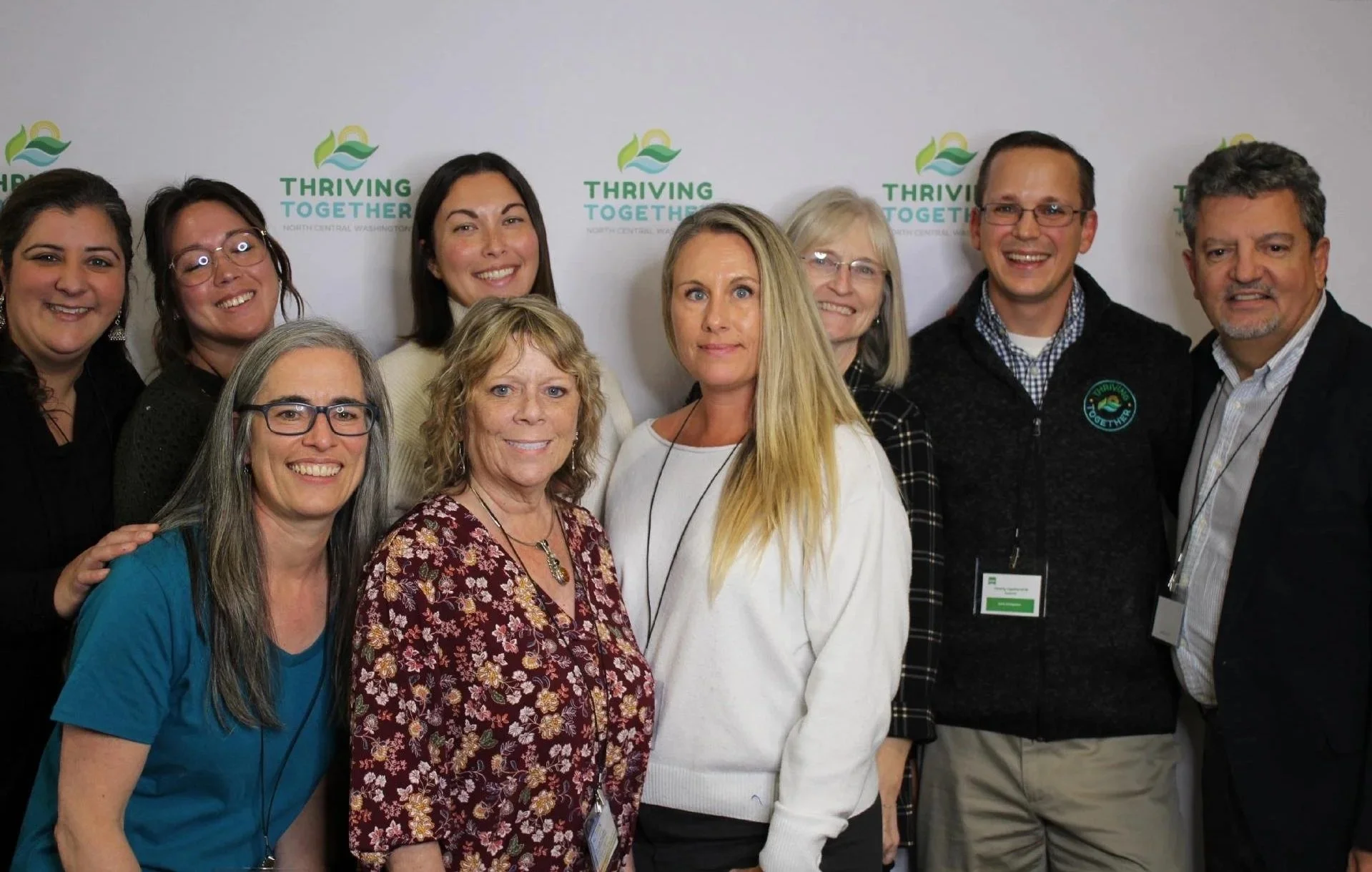
At the center of this initiative is a partnership between Thriving Together NCW, Action Health Partners (AHP), and Advance, creating the infrastructure behind this system of care. Thriving Together NCW serves as a regional connector in this partnership. Rather than delivering direct services, it helps align partners, identify gaps, and support funding structures that encourage collaboration.
In addition to offering their own programs and services, Advance and AHP also partner with other direct service organizations to help provide a comprehensive plan of care for those seeking help through the Hub. Rather than reinventing the wheel, this approach strengthens what already exists and aligns the work being done across the region.
Opening Pathways to Meaningful Work and Wealth
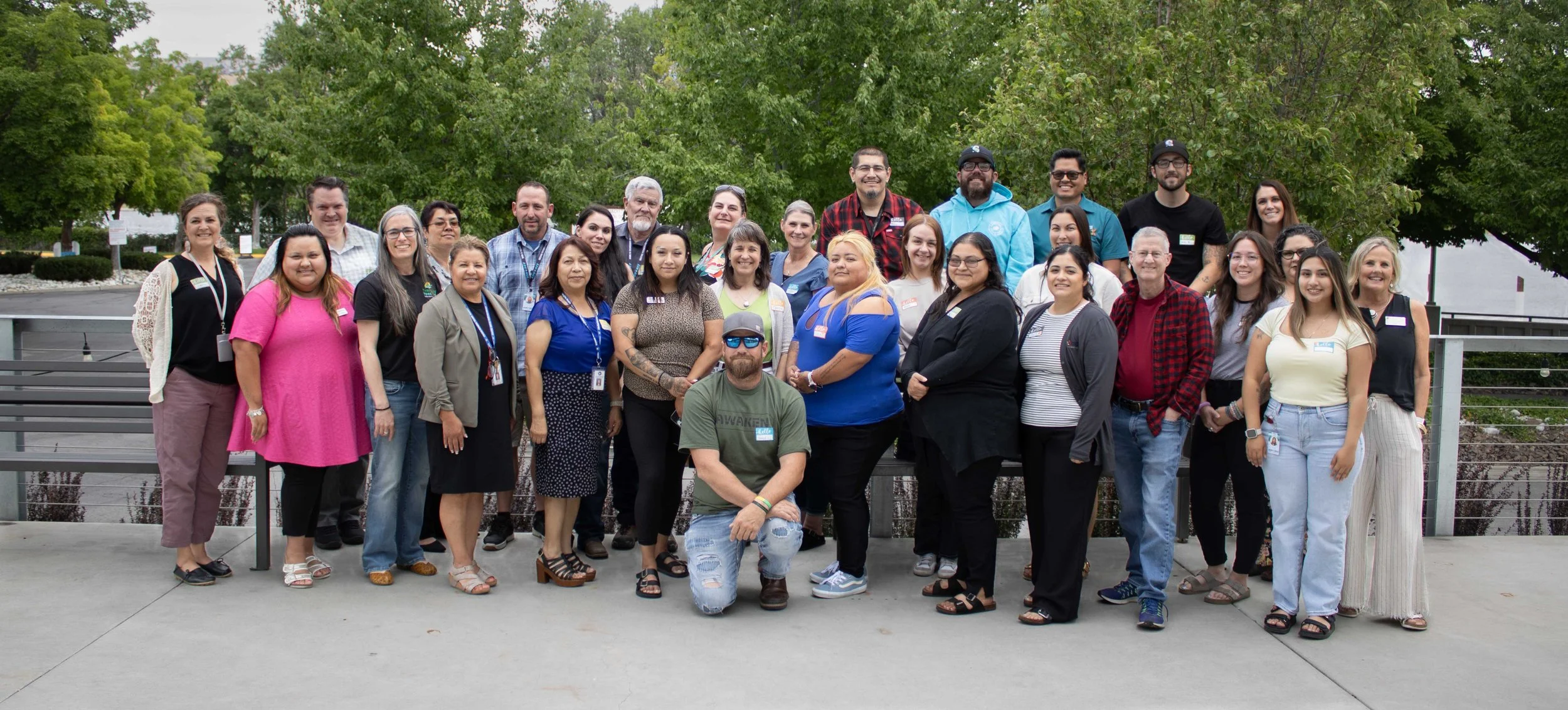
Behind the care coordination taking place is a workforce dedicated to walking alongside others in vulnerable moments. Advance and AHP are committed to prioritizing both those seeking support through the Hub as well as the workforce that serves them. By providing training, fostering supportive work environments, and valuing lived experience, they are empowering an entire workforce to build on their unique skillsets while advocating for others.
Lisa Apple, Director of Operations at Advance, has witnessed systems in the community care space evolve significantly during her 30 year career. One of those evolutions includes a shift toward valuing lived experience in peer support roles.
Recovery Coaching is just one of the many services offered through the Hub and in North Central Washington it’s grounded in the belief that lived experience brings a necessary depth of understanding to the role of a recovery coach. When a recoveree connects with a coach who has previously struggled with addiction, a sense of trust rooted in shared experiences and mutual understanding is established. This approach also offers meaningful and fulfilling career path opportunities to individuals who might otherwise have felt marginalized or stigmatized by past experiences.
“I don’t think you will find a more passionate workforce. People in this space who have lived experience have this burning desire to help someone the way someone helped them,” Lisa said. “Recovery coaching and peer support roles build on the natural gifts of people who have had these unique experiences, and it also allows them to do something they are incredibly passionate about and get paid for it.”
Greg Bland’s story also reflects this transformation. For 15 years, Greg struggled with substance use in a time when recovery services were harder to access, support was limited, and the path to recovery often felt isolating. Years after finding recovery, he was presented with the opportunity to join the team at Advance and help transform the system he once navigated personally.
Greg began his career at Advance as a Carceral Recovery Coach. In this role, he collaborated with the Okanogan Couty Sheriff’s Department to provide reentry support for incarcerated individuals struggling with substance use. In time, he built strong relationships within the jail system and with inpatient treatment providers, accelerating the process of connecting individuals to support in a timely manner. This immediate connection is critical in increasing the likelihood of individuals seeking further help as needed. Today, Greg serves the entire North Central region as the Regional Recovery Coach Manager at Advance.
“It was a lonely road for me,” Greg said, reflecting on his experience with recovery. “This is the coolest work I’ve ever been a part of because not as many people have to be alone anymore. There are services now and we’re getting people connected to what they need.”
Last year, approximately 500 individuals made it to inpatient treatment thanks to these efforts.

Designing Systems Around People, Not Programs
These success stories wouldn’t be possible without the increased collaboration across partners and sectors taking place in North Central Washington in recent years.
When AHP’s Community Network Director Kami Yacinich joined the organization in 2018, services were largely viewed through a programmatic lens, with support tied closely to eligibility requirements. AHP recognized that many programs shared similar operational responsibilities and began imagining something different. They envisioned a future where cross trained staff could offer a menu of services to help anyone who walks through the door, regardless of program-specific eligibility.
This shared vision across AHP, Advance, and Thriving Together NCW continues to ground and guide the work of the North Central CCH, creating a more connected and person centered system of support for our region.
“I am really passionate about not looking at programs as a single service, instead looking at what coordination needs to occur across programs and systems to support our direct service partners provide services to clients. It is our job as the Hub to coordinate contracts across partners and programs to support continuity of care across the healthcare and social service settings,” Kami explained.

The partnerships occurring across the Hub’s network also enables the direct service workforce to spend more time connecting with clients , and connecting them to services.
“What makes Hub work so special is working in close partnership with one another and direct service providing organizations to support the opportunity for the workforce to truly walk alongside their clients,” Kami said. “Across our workforce, no matter our backgrounds, the constant is a shared commitment to serving our community. You’re here because you care.”

Meaningful Work and Wealth is not just about income. It’s about dignity, purpose, and opportunity. It’s about creating conditions where everyone can build stable careers that build on their unique backgrounds and strengths.
It’s also about health. Within the Vital Conditions framework, Meaningful Work and Wealth is viewed as both an outcome and a driver of overall wellbeing. When people have access to meaningful work and pathways to economic stability, it directly supports their health and wellbeing.
A More Connected Future for Community Care
The North Central CCH is still new and growing but it already represents something powerful: a shift from fragmentation to connection. When people are no longer left to navigate their struggles alone, and when the workforce is supported to do its best work, entire communities begin to thrive.
If you or someone you know is seeking support or wants to learn more about the North Central CCH, we encourage you to explore the website where you’ll find more details about the type of services available, the intake process, and how to partner with us.